Research in dialogue with practice
The EU seminar brought together a wide range of actors from humanitarian organizations like the Danish Refugee Council and UNHCR to representatives from Frontex – the EU border and coast guard agency responsible for monitoring and coordinating the control of EU external borders – and civil servants in the EU system.
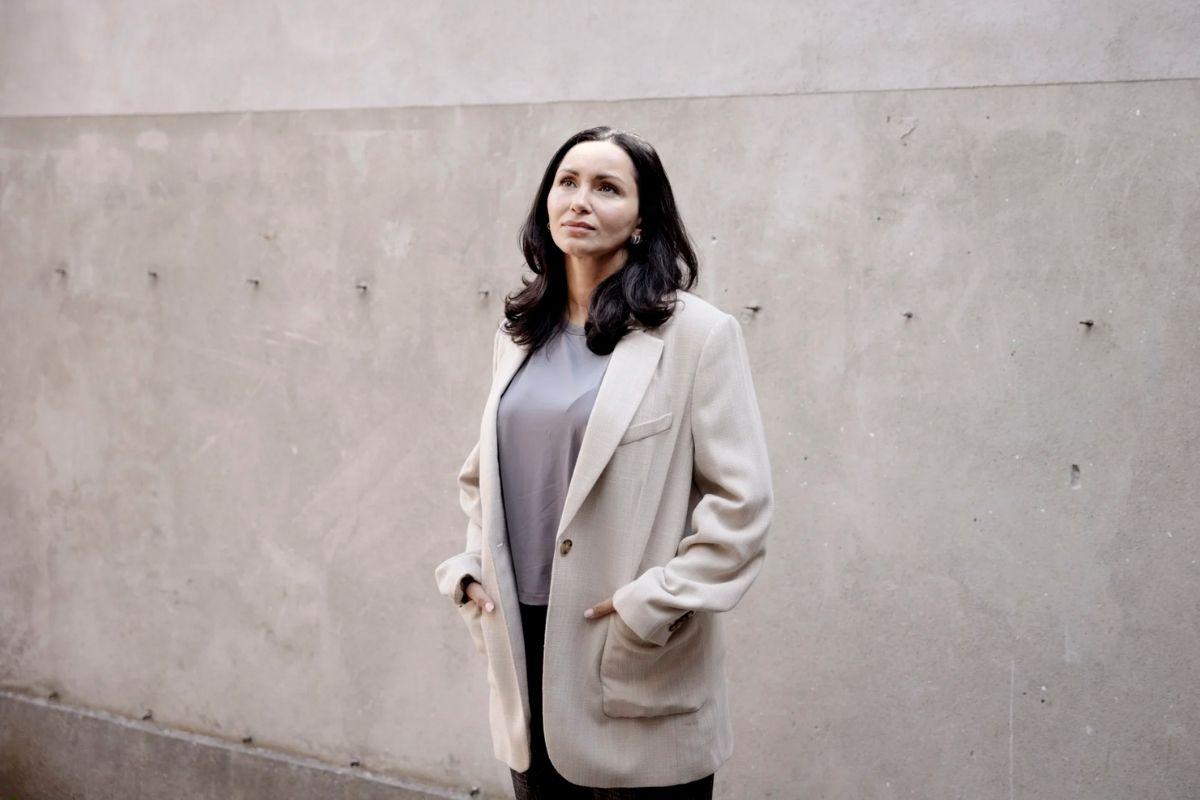
Ahlam Chemlali was the only researcher among the participants and saw it as an important opportunity to bring a research-based perspective into the conversations about migration and border agreements.
She emphasizes that presentations in political and practice-oriented forums require a different approach than in academia. According to her, it is about making the message tangible and relevant to those who work on policy and practice. At the same time, you avoid appearing judgmental.
According to the migration researcher, it is crucial to work together and point out how to improve existing agreements based on human rights and the human consequences they entail.
"It is also important that I always stick to the research and do it as objectively and professionally as possible, because so many emotions are always at stake in such topics," she elaborates.
In addition, Ahlam Chemlali also emphasizes the importance of dialogue, which became clear, for example, after the meeting with Frontex.
"Even if we don't agree, it's important to listen to each other and get different perspectives," says the researcher.